Whether you're moving house, downsizing, renovating, running a business or simply need extra space, there's probably a type of storage that suits you. The options range from a small unit for a few boxes to warehouse-style space for machinery.
This guide explains the main types of storage facilities in Australia, what each is used for, and what to consider before you choose one, including how insurance fits in.
Personal storage
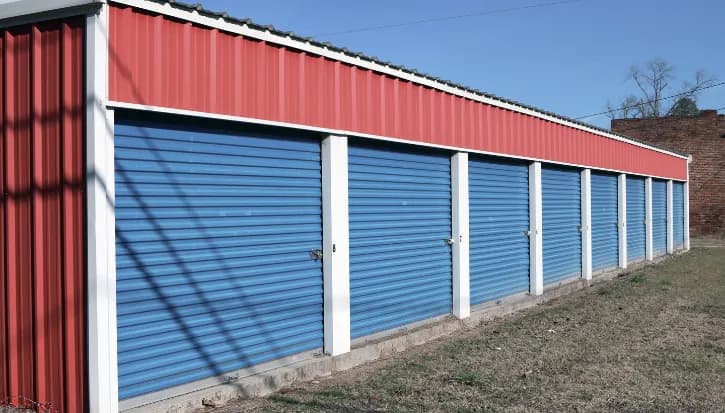
Personal storage is for individuals who need to store household items, furniture, seasonal goods or personal belongings. It's especially useful during a move, a renovation or a big declutter.
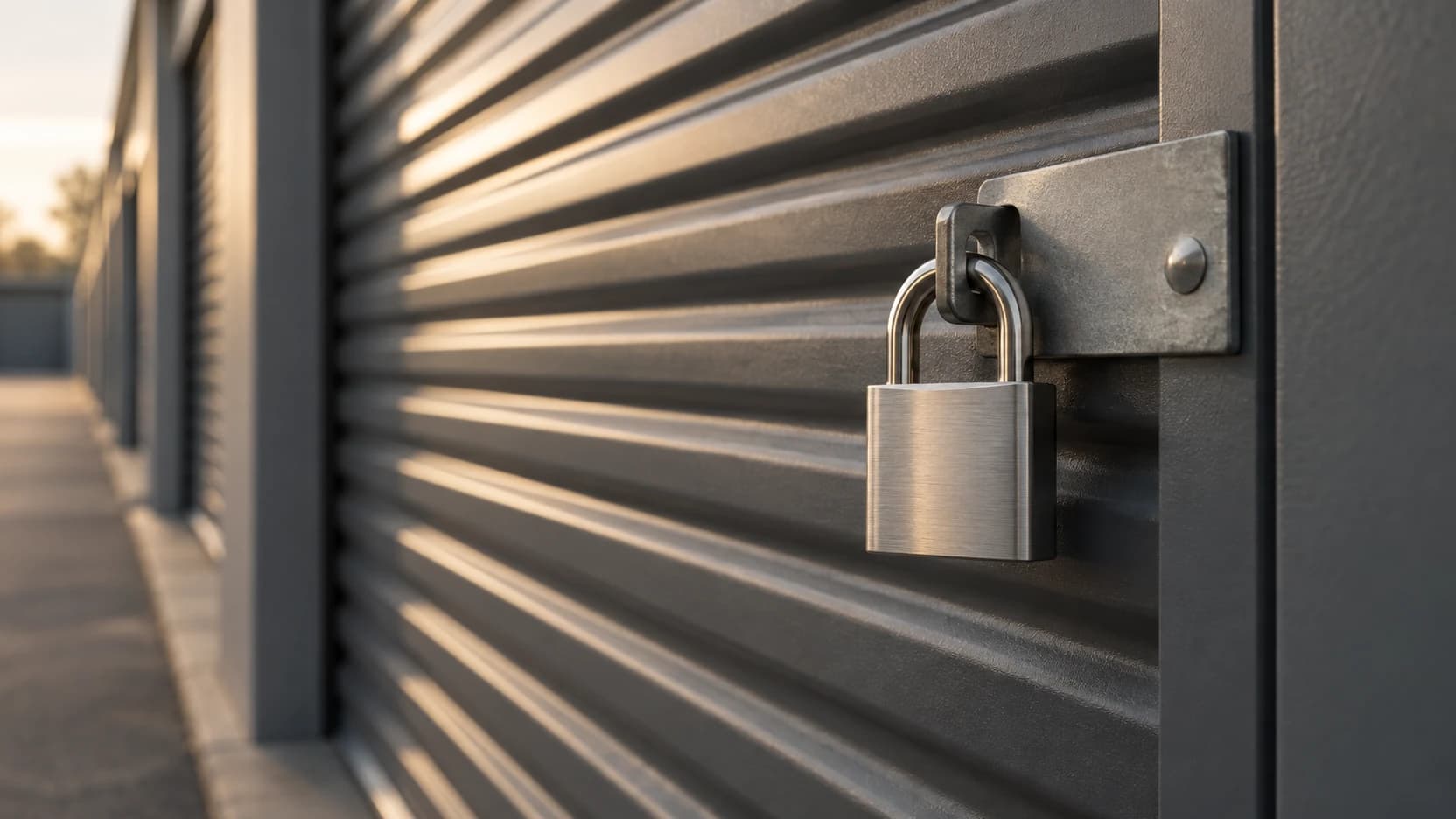
Units come in various sizes, so you can rent just the space you need. Many facilities offer features such as extended access hours, CCTV and alarms, and some offer climate-controlled units.
Common reasons people choose personal storage:
- flexible rental terms, short or long-term
- security features such as CCTV, gated access and alarms
- convenient access hours
- paying only for the space you need
This is the kind of storage Goods in Storage insurance is designed for: household goods and personal effects kept in a locked unit at an SSIA approved self storage facility.
Business storage
Business storage gives companies a way to manage stock, archives and office equipment without paying for more premises. Small businesses, online sellers and tradespeople often use it to free up space.
Units may include shelving, and some facilities have loading bays for easier handling. Many self storage facilities in Australia also offer services such as accepting deliveries, which suits businesses that operate from home.
Common uses of business storage:
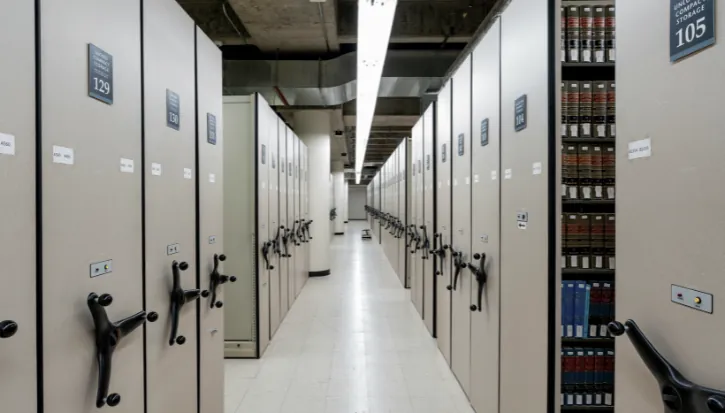
- archiving documents and records
- storing office furniture and electronics
- keeping retail stock
- managing seasonal stock
Goods in Storage insurance can include goods used in a small business, such as stock, tools or equipment, while they are stored at an SSIA approved facility. Read more about business stock in storage.
Vehicle and boat storage
Australia's outdoor lifestyle means many people own a second car, a caravan or a boat that needs somewhere to live. Vehicle storage facilities offer outdoor or undercover bays, and sometimes fully enclosed spaces.
These facilities often feature large parking bays with gated access and security monitoring. Covered or enclosed storage helps protect vehicles from sun and weather.
Common reasons people choose vehicle storage:
- protection from harsh weather and UV damage
- security features that help deter theft and vandalism
- access options that suit how often you use the vehicle
Goods in Storage insurance does not cover motor vehicles, motorcycles or most boats. If you store a vehicle, caravan or boat, ask your vehicle or boat insurer how it is covered while in storage.
Climate-controlled storage
Climate-controlled units keep temperature and humidity more stable. People often choose them for documents, electronics, musical instruments, artwork or wine. They usually cost more than standard units.
Why people choose climate-controlled storage:
- it helps reduce the risk of mould, mildew and rust
- it helps protect delicate materials
- it suits long-term storage
Good conditions matter because insurance won't help with some of these problems. Goods in Storage insurance does not cover damage caused by mould, mildew, rust or gradual deterioration. Paintings and artworks can only be covered below set values, and alcohol can only be covered if it is stored in the facility's dedicated, climate-controlled wine and spirits storage. The Target Market Determination (TMD) (PDF, opens in a new tab) has the details.
Portable storage
Portable storage brings a container to your property so you can load it at your own pace. Once it's packed, the container is taken to a storage site until you need it again.
It suits people who are relocating or renovating, because it can save trips to a storage facility.
Benefits of portable storage:
- loading at your own property
- fewer trips
- suitable for home and business use
If you use portable storage, check how your goods are insured at each stage. Goods in Storage insurance only applies at an SSIA approved self storage facility, and does not cover goods in transit or while they are being loaded or unloaded.
Industrial storage
Industrial storage suits businesses that need large spaces for machinery, bulk materials or heavy equipment. Construction companies, manufacturers and logistics firms are common users.
These spaces often have high ceilings, loading docks and access for large vehicles, and are usually leased on commercial terms. Insurance for this kind of operation is generally arranged under a business policy.
Industrial storage is often used for:
- warehousing and logistics
- construction equipment
- manufacturing goods and materials
How to choose the right storage facility
The right choice depends on what you're storing and for how long. A few things to check:
- Your storage needs. List what you're storing and how long you'll need the space.
- Security features. Look for CCTV, access control and good lighting.
- The storage agreement. Read what it says the facility is, and isn't, responsible for.
- Pricing. Prices vary with location, unit size and features.
- Access. Choose convenient access hours and a location close to your home or business.
- The site itself. Visit before you rent, and look for signs of damp, pests or poor maintenance.
- Insurance. If you plan to take out Goods in Storage insurance, check the facility is SSIA approved first.
Insuring what you store
Whatever type of storage you choose, don't assume the goods inside are insured by default. Your home policy may cover them only in part, and a facility's own insurance is generally arranged for its own business.
At SSIA, we arrange insurance for goods stored at SSIA approved self storage facilities. To see how it works, start with storage unit insurance, or read what kind of insurance you need for your storage unit.