

Business interruption insurance
General advice only. It does not consider your business's objectives, financial situation or needs. Cover depends on the insurer's policy wording, which you will receive before you decide.
Even when your facility isn't generating income, expenses don't stop.
A fire or storm can close part of a facility, or all of it, for months. Rent, loan repayments, wages and utilities keep falling due while units sit empty or out of reach.
Business interruption insurance is designed for that gap. It can pay for the income you lose, and some of the extra costs of keeping the business going, while you recover.
How business interruption cover works for a facility
It covers the loss of income that follows insured damage to your property. Where property insurance pays to repair or rebuild, business interruption helps replace the profit you would have made in the meantime.
Most policies only respond when the interruption is caused by damage the policy covers, usually damage insured under your property cover. Three terms shape both the policy and the application.
- Gross profit
- In insurance, gross profit is usually your turnover less the costs that stop when trading stops. It is often not the figure in your accounts, so your accountant may need to work it out on the insurer's basis.
- Revenue
- Some policies insure revenue, such as unit rental income, instead of gross profit. The application asks for both figures, so the right basis can be chosen for your facility.
- Indemnity period
- The longest time the policy will pay for lost income after the damage, chosen in months. Rebuilding, approvals and re-letting units can take longer than the repairs alone.
How a claim is typically worked out
Insured damage occurs
An event the policy covers damages your property and interrupts trading at the facility.
Trading is compared
Income after the event is compared with what you would normally have earned, often using the same period in past years.
Savings are allowed for
Costs that stop while you are closed or trading less are usually taken off the amount paid.
Cover runs to its limits
Payments continue until trading recovers or the indemnity period ends, up to the sum insured.
Claims are assessed by the insurer under the terms, limits and exclusions of your policy. This is a general outline, not how every policy works.
What cover can include
- Loss of income
- The gross profit or revenue you lose because insured damage interrupted trading, for up to the indemnity period.
- Ongoing expenses
- Standing costs such as rent, utilities and wages that continue while income is down, depending on how the cover is set up.
- Increased cost of working
- Reasonable extra costs you take on to keep trading and reduce the loss while the facility recovers, such as a temporary office, as long as they save more income than they cost.
- Additional increased cost of working
- Goes further. It can pay for extra costs that keep the business running even when they cost more than the income they save, up to a separate amount you choose in the application.
- Claims preparation
- Fees for an accountant or other professional to prepare and document your claim, if you choose to include this cover, usually up to a separate amount you choose.
- Subject to your policy
- The events that trigger cover, any waiting period, and the limits and exclusions are set by the insurer's policy wording.
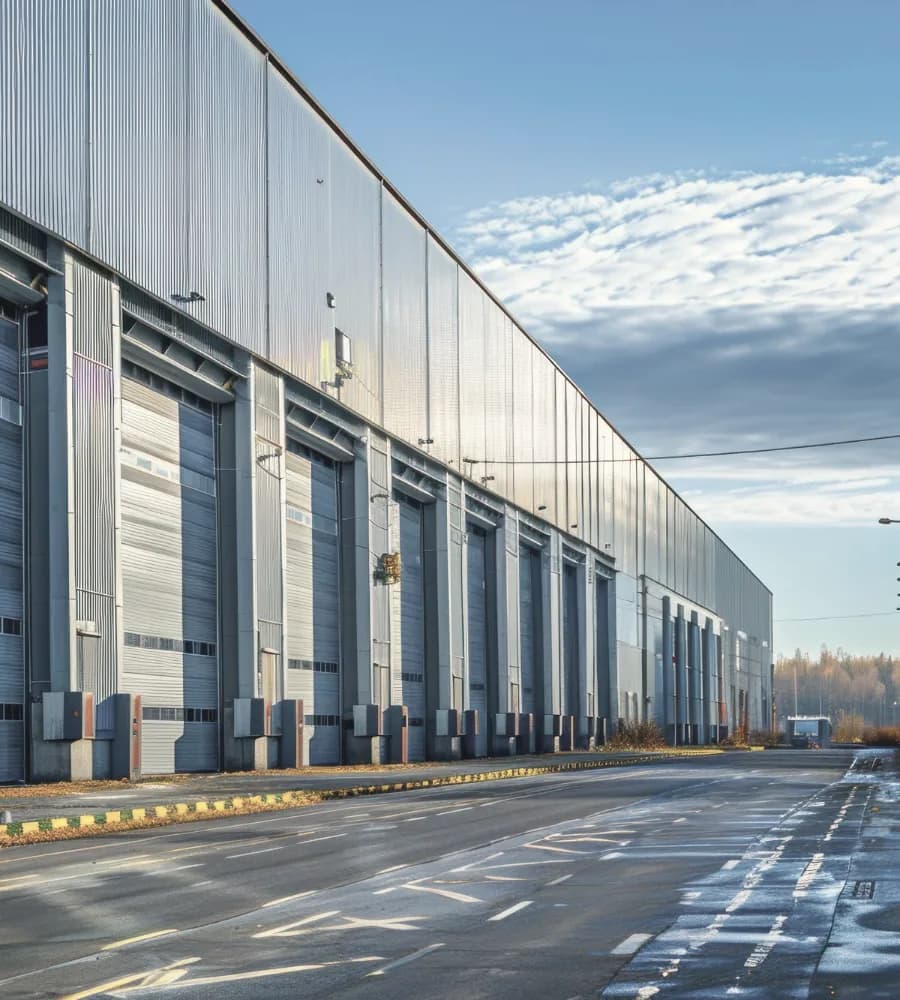
Choosing an indemnity period
Think about how long it could take to be fully back to normal, not just how long repairs take. For a storage facility, that can include demolition, approvals, rebuilding and the months it takes to re-let units once they reopen.
If the period ends while income is still down, payments stop. It is worth talking through with us before you apply.
The figures behind your cover
Your accountant can help work out gross profit and revenue on the basis the insurer uses. The indemnity period and the optional amounts are your choice, and worth talking through with us before you apply.
Business interruption sits in the same application as property, contents and public liability, which also asks about your facility, its security, your proposed excess and your claims history.
Figures to work out
- Gross profit
- Revenue for the indemnity period
- Turnover for the prior 12 months
- Anticipated turnover
Amounts you choose
- Indemnity period in months
- Additional increased cost of working
- Claims preparation costs
General advice only. It does not consider your business's objectives, financial situation or needs. Cover depends on the insurer's policy wording, which you will receive before you decide.
Business interruption questions
How does business interruption insurance work?
Business interruption insurance covers the income a business loses when insured damage forces it to close or limit trading. It can also pay some of the extra costs of keeping the business running, for up to the indemnity period you choose, depending on the policy.
What does business interruption insurance cover?
Typically, the gross profit or revenue you lose after insured damage, and the increased cost of working to reduce that loss. Additional increased cost of working and claims preparation costs can be added. Exactly what is covered depends on the insurer and your policy wording.
Do I need property insurance to claim business interruption?
Usually the interruption has to be caused by damage the policy covers, which is why business interruption is commonly arranged alongside property cover. Check how your policy words this condition.
How long should my indemnity period be?
Long enough to allow for rebuilding, approvals and winning customers back, which can take far longer than the repairs themselves. Policies let you choose the period in months. The right period depends on your facility, so it is worth talking through before you apply.
Is insured gross profit the same as the gross profit in my accounts?
Not always. For insurance, gross profit is usually your turnover less the costs that stop when trading stops. Your accountant can calculate the figure on the basis the insurer uses.
Where business interruption fits
Business interruption usually depends on insured damage to your property, so the two are often arranged together.
- Property insurance For the buildings and site your storage business runs from.
- Business contents insurance For your facility's own equipment, fit-out and office contents.
- Workers' compensation insurance For the people who keep your facility running.
- All facility business insurance Business insurance for self storage facility owners and operators.
Protect the income
your facility earns.
- Apply for business insurance Property, contents, business interruption and public liability.
- Email the SSIA team Talk through your indemnity period before you apply.
- Property insurance For the buildings and site your storage business runs from.
General advice only. It does not consider your business's objectives, financial situation or needs. Cover depends on the insurer's policy wording, which you will receive before you decide.